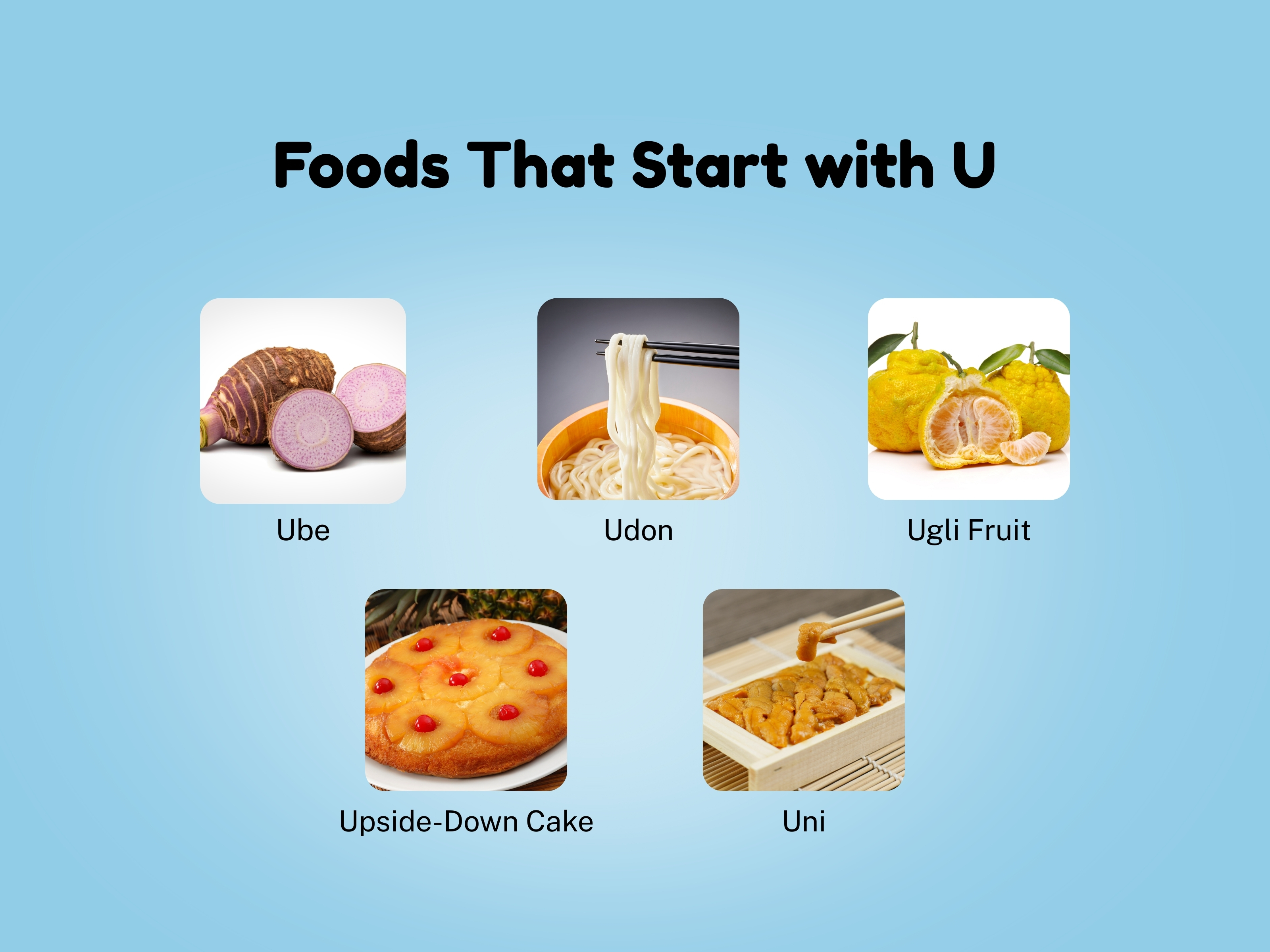
Delving Deeper into the World of "U" Foods: Part Two of Our Culinary Exploration
Welcome back to our exciting gastronomic journey through the alphabet! In our previous installment, we began uncovering the fascinating array of foods that start with u, proving that this often-overlooked letter holds a surprising bounty of flavors and ingredients. Now, in Article 2, we're ready to dive even deeper, exploring more unique, nutritious, and undeniably delicious "U" foods from various corners of the globe. From exotic fruits and hearty staples to gourmet delicacies, prepare to expand your culinary horizons and perhaps discover your next favorite ingredient!
This article aims to provide a comprehensive look at an expanded list of "U" foods, offering insights into their origins, typical uses, and nutritional benefits. Whether you're a curious home cook, a food enthusiast, or simply looking for inspiration to diversify your diet, join us as we unlock the hidden treasures of the "U" food universe.
Discovering Unique Fruits and Vegetables Starting with U
The plant kingdom offers some truly remarkable items that begin with the letter 'U'. These fruits and vegetables, though perhaps less common in mainstream markets, bring distinct flavors and textures to the table.
Ugli Fruit: A Tangy Tropical Treat
- What it is: The Ugli fruit is a natural hybrid of a grapefruit, orange, and tangerine, first discovered in Jamaica. Its name, "Ugli," is a nod to its somewhat bumpy, unattractive rind, but don't let appearances deceive you!
- Taste and Texture: Beneath its thick, easy-to-peel skin lies a juicy, sweet, and tangy pulp, less bitter than a grapefruit and more aromatic than an orange.
- Culinary Uses: Enjoyed fresh on its own, added to fruit salads, squeezed for juice, or incorporated into desserts and marinades.
- Nutritional Value: Rich in Vitamin C, fiber, and antioxidants, making it a refreshing and healthy choice.
Upo Squash (Bottle Gourd): Versatile and Mild
- What it is: Upo squash, also known as bottle gourd or calabash, is a long, light green vegetable with a mild flavor. It's widely cultivated in tropical and subtropical regions.
- Culinary Uses: Extremely versatile, upo squash is often used in curries, stir-fries, soups, and stews, particularly in Asian and Indian cuisines. Its mild taste readily absorbs the flavors of other ingredients.
- Health Benefits: High in water content, dietary fiber, and essential vitamins and minerals like Vitamin C, zinc, and iron. It's often praised for its cooling properties and digestive benefits.
Ulluco: An Andean Root Vegetable Gem
- What it is: Ulluco is a vibrant, small, and often colorful tuber native to the Andean regions of South America. It comes in various hues, including yellow, orange, pink, and red.
- Traditional Uses: A staple food for thousands of years, ulluco is similar in texture to a potato but with a slightly earthy, nutty, and sometimes starchy-sweet flavor. It's boiled, fried, mashed, or added to soups and stews.
- Nutritional Value: A good source of carbohydrates, fiber, and Vitamin C, ulluco offers a unique way to diversify your root vegetable intake.
Umbu: The Jewel of the Sertão
- What it is: Umbu is a small, round fruit native to the semi-arid region of the Brazilian Northeast (Sertão). It has a thin skin and a juicy, slightly fibrous pulp.
- Taste Profile: The flavor is unique – a captivating balance of sweet, sour, and slightly tart, often described as a mix between plum, persimmon, and guava.
- Uses: Primarily consumed fresh, umbu is also popular in making jams, jellies, juices, and a traditional refreshing drink called umbuzada.
Grains, Legumes, and Noodles: Staple "U" Foods from Around the Globe
Many cultures rely on specific "U" foods as foundational ingredients for their daily meals, providing sustenance and flavor that define their culinary heritage.
Urad Dal: The Heart of Indian Cuisine
- What it is: Urad dal, also known as black gram, is a highly nutritious black lentil widely used in Indian and South Asian cooking. It can be used whole (black urad dal) or split and de-skinned (white urad dal).
- Culinary Significance: It's a key ingredient in many iconic Indian dishes. White urad dal is essential for making crispy dosas, soft idlis, and savory vadas. Whole urad dal is used in rich, creamy dals like Dal Makhani.
- Nutritional Benefits: High in protein, fiber, iron, and magnesium, urad dal is an excellent source of plant-based nutrition, contributing to muscle health and digestion.
Udon Noodles: A Japanese Comfort Food
- What it is: Udon noodles are thick, chewy wheat flour noodles from Japan. They are one of the most popular noodle varieties in Japanese cuisine, alongside ramen and soba.
- Preparation and Dishes: Udon noodles are typically served hot in a mild broth (kakejiru) with various toppings like tempura, aburaage (fried tofu), or scallions. They can also be served cold with a dipping sauce, or stir-fried.
- Texture and Versatility: Their distinct chewy texture makes them incredibly satisfying, and their mild flavor allows them to pair well with a wide range of ingredients and broths.
Ugali: A Staple Across Africa
- What it is: Ugali is a dense porridge made from maize flour (cornmeal) cooked with water or milk to a stiff consistency. It is a staple food in many sub-Saharan African countries.
- Cultural Significance: Ugali is more than just food; it's a central part of meals and social gatherings. It's typically eaten with the hands, used to scoop up accompanying stews, vegetables, or meat.
- Serving: Its neutral flavor makes it a perfect accompaniment, providing a filling and energy-rich base for flavorful African sauces and gravies.
Savory Delights and Distinctive Flavors: More "U" Foods to Savor
Beyond the everyday, some "U" foods represent gourmet experiences or specific regional specialties that deserve recognition.
Unagi: Japanese Grilled Eel
- What it is: Unagi refers to freshwater eel in Japanese cuisine, most famously prepared grilled with a sweet and savory soy-based sauce called tare.
- Preparation and Taste: Unagi is a delicacy, known for its rich, tender, and somewhat fatty texture, with a distinct smoky sweetness from the grilling process. It's often served over rice as unadon or unaju, or in sushi.
- Cultural Significance: Unagi is particularly popular during summer months in Japan, believed to provide stamina and combat fatigue.
Uni: The Exquisite Taste of Sea Urchin Roe
- What it is: Uni is the edible gonads (roe) of sea urchins, considered a gourmet delicacy in many cuisines, especially Japanese.
- Flavor Profile: Its flavor is unique and polarizing – a complex mix of briny ocean freshness, creamy texture, and a subtly sweet, umami-rich taste that some describe as reminiscent of oysters or foie gras.
- Culinary Applications: Uni is often served raw as sushi or sashimi, or incorporated into pasta dishes, risottos, and other gourmet preparations to add a touch of oceanic richness.
Upma and Uttapam: South Indian Breakfast Stars
- Upma: A savory porridge made from semolina (sooji), cooked with water or broth, and typically flavored with vegetables, mustard seeds, curry leaves, and sometimes peanuts. It's a quick, nutritious, and popular breakfast or snack throughout South India.
- Uttapam: A thick, savory pancake made from fermented rice and lentil batter, similar to dosa but thicker. It's topped with various vegetables like onions, tomatoes, and chilies while cooking, creating a soft, flavorful, and slightly tangy dish, often served with chutney and sambar.
Urfa Biber: The Mysterious Turkish Chili
- What it is: Urfa Biber is a unique dried chili pepper from the Urfa region of Turkey. It undergoes a special drying process where it's sun-dried during the day and tightly wrapped at night, allowing it to "sweat" and retain its natural oils.
- Flavor Profile: This process gives it a distinctive dark, purplish-black color and a complex flavor profile: smoky, earthy, slightly sweet, with notes of chocolate and dried fruit, and a moderate heat level.
- Uses: Used as a finishing spice, it's excellent on roasted vegetables, grilled meats, eggs, salads, and even in chocolate desserts, adding depth and a touch of mystery.
Culinary Tips for Incorporating "U" Foods into Your Diet
Intrigued by these fascinating foods that start with u - Article 3? Here are some practical tips to help you bring them from concept to plate:
- Explore Specialty Stores: For ingredients like urad dal, udon noodles, or Urfa Biber, Asian or Indian grocery stores are your best bet. Exotic fruits like Ugli fruit or Umbu might be found in larger supermarkets or international markets, especially when in season.
- Start Simple: If a food is new to you, try preparing it in a simple way first. For Ugli fruit, just peel and eat. For Upo squash, add it to a mild curry or soup.
- Seek Authentic Recipes: The best way to experience the true flavor of these foods is through traditional recipes. Online culinary sites, cookbooks, and food blogs dedicated to specific cuisines are great resources.
- Don't Be Afraid to Experiment: Once you're familiar with a food's basic flavor and texture, feel free to get creative. Could Urfa Biber elevate your chili? Could Ulluco replace potatoes in a stew?
- Consult a Glossary: Many international ingredients might have different names. A quick search can help clarify what you're looking for.
Conclusion
From the sweet tang of Ugli fruit to the umami richness of Uni, and the comforting heartiness of Ugali, our continued exploration of foods that start with u truly highlights the incredible diversity and creativity found in global cuisine. These "U" foods, whether everyday staples or rare delicacies, offer a vibrant spectrum of flavors, textures, and nutritional benefits waiting to be discovered. We hope this deep dive has inspired you to step out of your culinary comfort zone and embrace the exciting possibilities that begin with 'U'. Keep exploring, keep tasting, and don't forget to check out foods that start with u - Article 3 for even more delectable discoveries!
